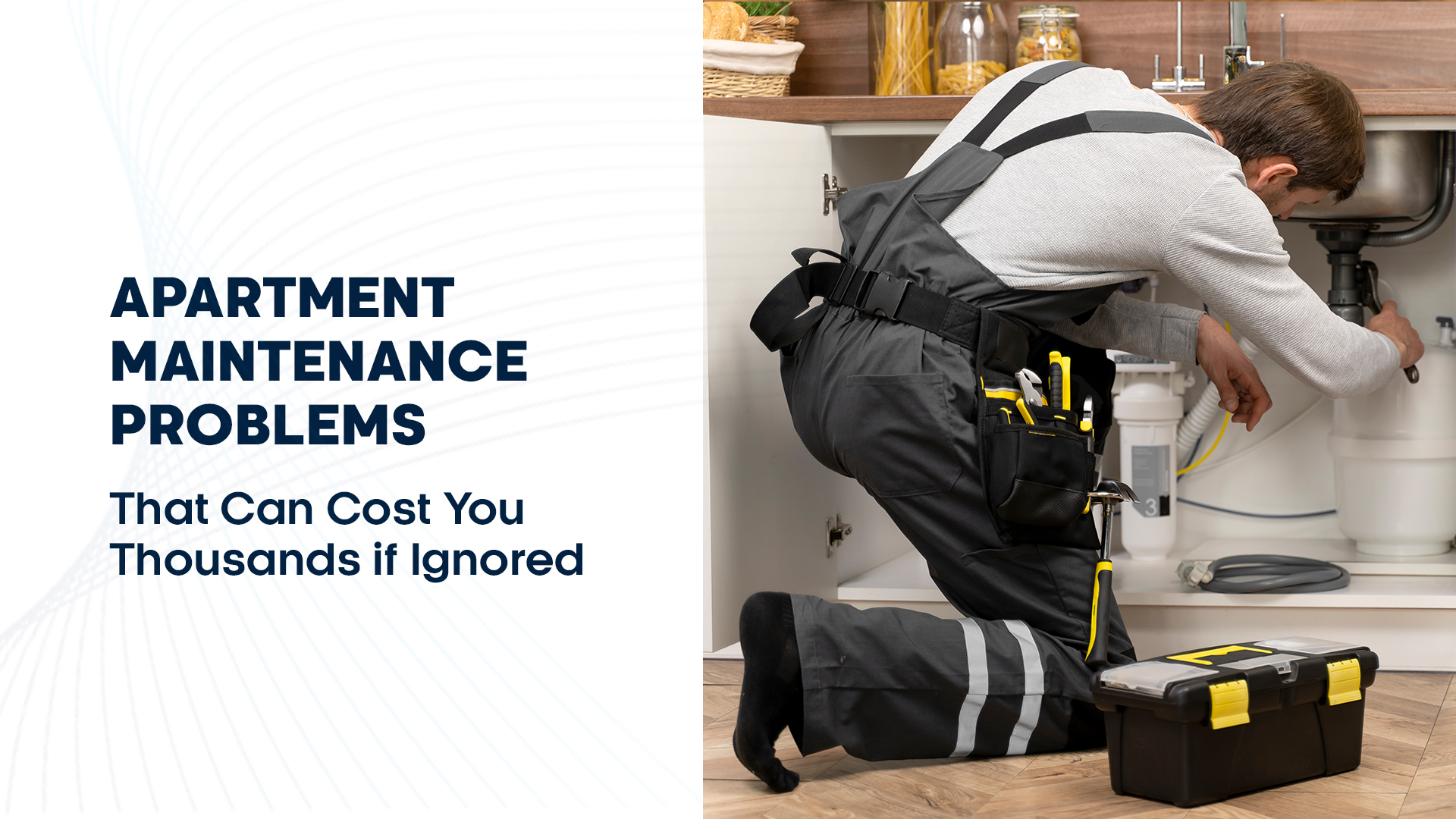
Apartment Maintenance Problems That Can Cost You Thousands if Ignored
Apartment living is often seen as low-maintenance and convenient. Many owners believe that small issues can wait. A minor leak, a faint crack, or a flickering switch does not feel urgent at first. However, in apartment buildings, neglect rarely stays small for long.
Apartment maintenance neglect problems grow quietly. By the time they become visible, the damage is usually widespread and expensive. In cities like Karachi, factors such as humidity, heavy usage, aging infrastructure, and power load issues accelerate deterioration. What could have been a minor fix turns into a major repair bill.
For apartment owners, maintenance is not just about comfort. It directly impacts safety, property value, and long-term costs. Understanding these issues early is the key to avoiding financial stress later.
Why Apartment Maintenance Issues in Pakistan Escalate So Quickly
Apartments are interconnected structures. Plumbing lines, drainage systems, electrical shafts, and structural elements are shared between multiple units. When one issue is ignored, it often spreads beyond a single apartment.
Unlike standalone houses, repairs in apartments are more complex. Access is limited, coordination with neighbors is required, and damage may remain hidden inside walls or slabs. Delayed action allows moisture, corrosion, or electrical stress to worsen unnoticed.
Another major factor is delayed reporting. Residents often assume a problem belongs to management or another unit. This delay gives the issue time to escalate, increasing both repair scope and cost.
Common Apartment Maintenance Problems
Apartment maintenance problems usually do not appear suddenly or without warning. They develop gradually due to wear, poor design, or delayed attention. When early signs are ignored, these issues spread across shared systems and structures, increasing repair complexity and cost for both owners and residents. Some of the common issues are mentioned below:
Water Seepage and Leakage
Water seepage is one of the most common and damaging apartment upkeep problems. It often begins with small signs. Peeling paint, damp patches, or a slight odor are early warnings that many owners ignore.
Over time, seepage weakens concrete and corrodes steel reinforcement. It damages ceilings, flooring, and electrical wiring. In severe cases, mold develops, creating serious health risks.
What makes seepage costly is delayed action. Fixing a visible leak is relatively inexpensive. Repairing slab seepage or structural waterproofing failures requires breaking floors, ceilings, and sometimes exterior walls. This can cost several times more than early intervention.
Quality waterproofing during construction plays a critical role here. Proper membranes, pressure testing, and correct bathroom slopes reduce long-term seepage risks significantly.
Electrical Faults and Overloaded Wiring
Electrical systems in many apartments were not designed for modern power usage. Over time, residents add air conditioners, heaters, UPS systems, and heavy appliances. This puts excessive load on outdated wiring.
Initially, the signs are subtle. Tripping breakers, warm sockets, or flickering lights are often ignored. However, overloaded wiring increases the risk of short circuits and fires.
Once electrical damage occurs, repairs are no longer limited to wiring. Fire damage affects walls, ceilings, fixtures, and sometimes neighboring units. Insurance claims can also be rejected if safety standards were not followed.
Preventive electrical maintenance and load-appropriate wiring during construction protect both property and lives. Compliance with building codes is not optional. It is essential for long-term safety.
Poor Drainage and Plumbing Design
Plumbing issues rarely stay confined to pipes. Poor drainage design, incorrect pipe slopes, or low-quality materials lead to frequent blockages and backflow problems.
In apartments, drainage failures often affect multiple floors. Water backs up into bathrooms, kitchens, or basements. Over time, moisture penetrates walls and slabs, damaging finishes and structural elements.
What starts as a minor blockage can require floor breaking and redesigning drainage lines if ignored. During monsoon seasons, these issues worsen rapidly, especially in buildings with inadequate stormwater planning.
Good plumbing design is preventive by nature. Proper slopes, pipe sizing, and access points make maintenance easier and prevent costly reconstruction later.
Structural Cracks and Concrete Deterioration
Not all cracks are dangerous, but none should be ignored. Hairline cracks often signal movement, moisture ingress, or curing issues. When left untreated, water enters the concrete and reaches the steel reinforcement.
This leads to corrosion, concrete expansion, and structural weakening. Repairs at this stage require specialized treatment, structural strengthening, and professional supervision. Costs increase dramatically once load-bearing elements are affected.
Structural repairs also reduce property value and buyer confidence. Early crack treatment is far simpler and far less expensive than late-stage rehabilitation.
Quality construction practices, correct curing time, and proper material standards significantly reduce the risk of structural deterioration.
Fire Safety and Emergency Systems Neglect
Fire safety systems are often overlooked after possession. Alarms stop working, extinguishers expire, and fire exits become blocked. These issues usually remain unnoticed until an emergency occurs.
The consequences of neglect are severe. Apart from loss of life and property, legal liability increases. Insurance companies may refuse claims if safety systems were not maintained as required.
Fire safety is not a one-time installation. It requires regular inspection, testing, and awareness. In apartment buildings, shared responsibility makes maintenance even more critical.
Preventive Maintenance vs Emergency Repairs
Preventive maintenance costs a fraction of emergency repairs. Regular inspections help identify issues before they spread. Small fixes protect structural integrity and reduce disruption.
Emergency repairs are reactive and expensive. They involve demolition, material replacement, labor escalation, and extended timelines. They also cause inconvenience to residents and neighbors.
In most cases, delaying maintenance does not save money. It multiplies the eventual cost. Preventive care protects both finances and peace of mind.
What Responsible Developers Do Differently
Responsible developers plan for the long term. They focus on construction quality, not just appearance. Proper waterproofing, compliant electrical systems, and well-designed plumbing are priorities from day one.
At Family Builders and Developers, the emphasis is on durability and lifecycle value. Projects are designed to reduce maintenance risks rather than pass them on to owners later. Quality control, testing, and material selection are integral parts of the process.
Educating buyers about building maintenance problems is also part of responsible development. A well-built apartment should remain reliable long after possession.
Apartment Maintenance Is Prevention, Not Expense
Poor maintenance apartment issues rarely become expensive overnight. Most start as minor concerns that are easy to overlook. When ignored, they quietly weaken structures, strain shared systems, and inflate repair costs. Preventive maintenance protects not only the apartment itself but also the safety and value of the entire building. Early inspections, timely repairs, and quality construction reduce long-term financial stress. Choosing a responsible developer further minimizes future risks by ensuring better planning, materials, and execution. In apartment living, maintenance is not an optional expense. It is a practical safeguard for your investment and peace of mind.